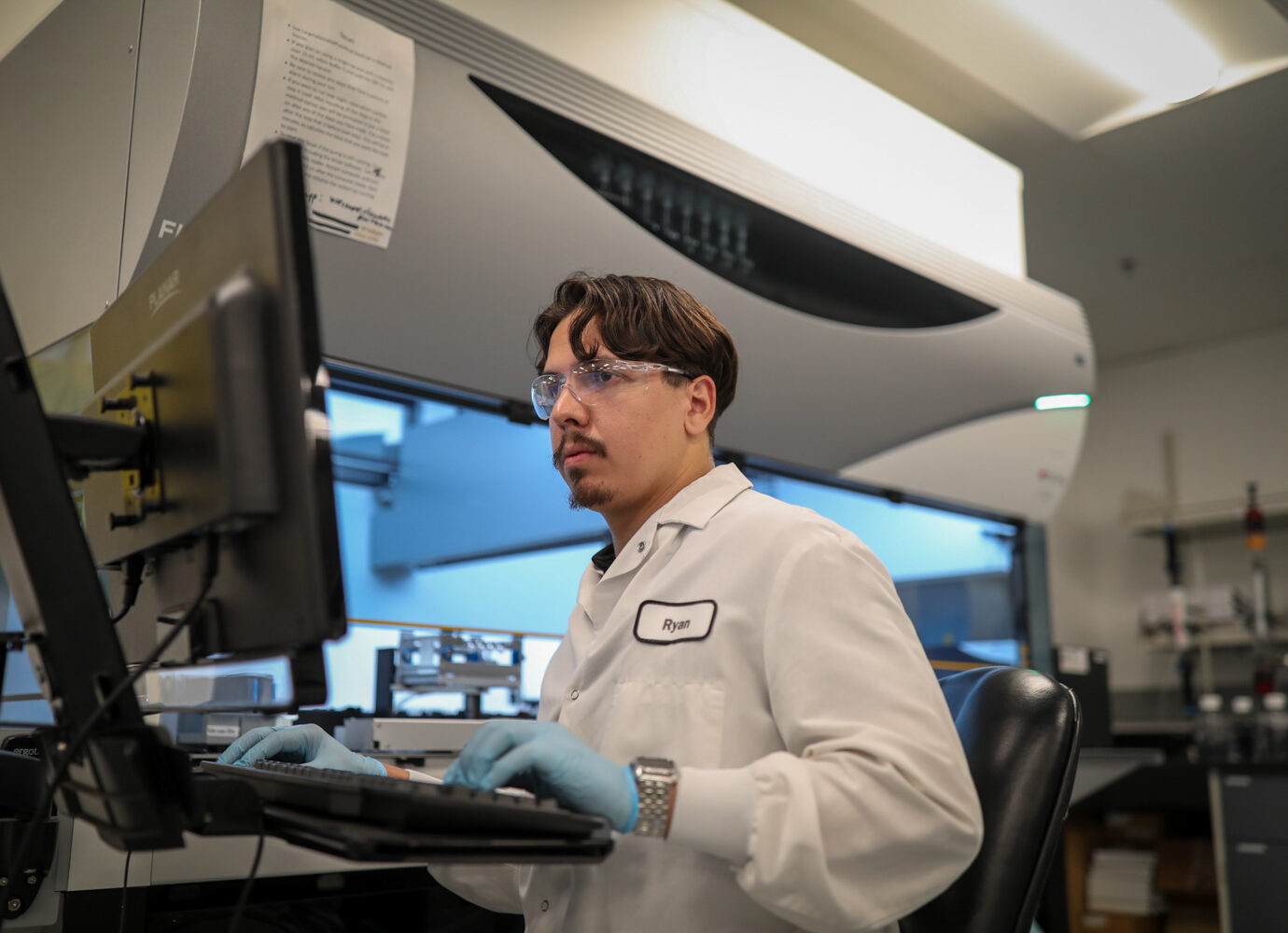
Done with Confidence Tech Transfer
Seamless transfer of biologics processes across CDMOs, in-house teams, and research environments, structured, scalable, and fully U.S.-based.
Value
Move Your Program
Forward, Seamlessly
Smooth transition across functions
Processes, analytics, and documentation are transferred with structure and
clarity, supporting continuity across organizations.
Built for comparability and consistency
Engineering runs and analytical studies ensure your process performs as expected in its new environment.
Aligned with regulatory expectations
Transfer strategies are designed to support IND amendments, BLA submissions, and
post-approval filings.
Integrated execution from day one
Process, analytical, quality, and regulatory teams work together as a single coordinated unit.
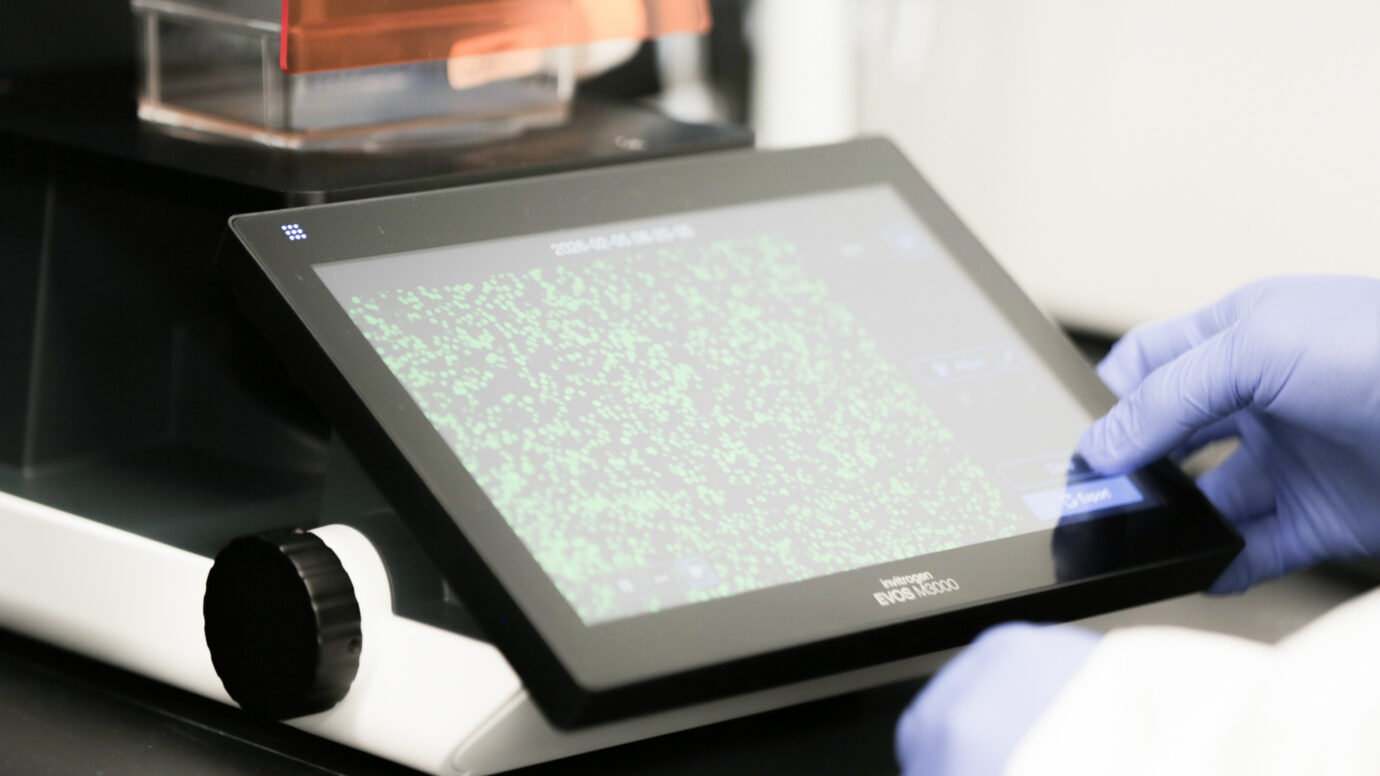
Any source. Any stage.
Built for Every Transfer Scenario
CDMO to CDMO: Transition your program to a new partner with a structured, well-defined transfer process.
In-house to CDMO: Move internal manufacturing programs into a scalable, CGMP-ready environment.
CRO to CDMO: Bridge research-stage processes into regulated manufacturing with integrated development support.
Academic to CDMO: Translate early-stage innovation into manufacturable, CGMP-aligned processes.
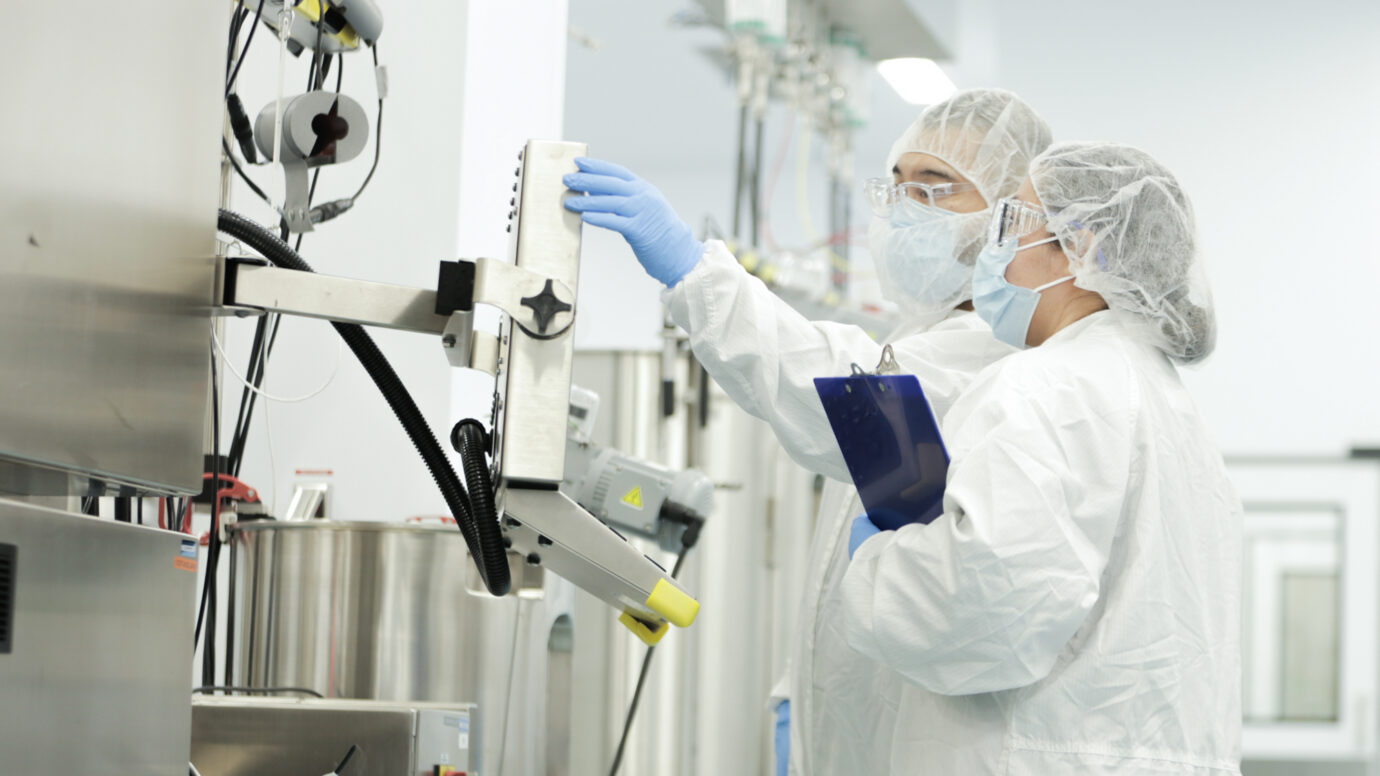
WHAT
Supporting Every Stage
of Your Program
Preclinical: Transfer ahead of first CGMP manufacturing to establish a strong foundation for IND.
Clinical (Phase I–III): Maintain continuity while supporting ongoing trials and regulatory alignment.
Late Phase / BLA: Prepare for validation and regulatory submission with comparability and process characterization.
Commercial: Support approved products with structured site transfers and regulatory filings.
Clear process. Defined milestones.
A Structured Path to Successful Transfer

-
01
Feasibility & gap assessment
Evaluate process fit, documentation, and analytical scope to define a clear transfer plan.
-
02
Transfer planning & comparability strategy
Establish timelines, engineering runs, and regulatory pathways aligned to your program
stage. -
03
Process & method transfer
Adapt upstream, downstream, and analytical methods to Avid’s systems.
-
04
Engineering runs
Confirm process performance and identify any necessary refinements.
-
05
Comparability & documentation
Demonstrate product consistency through analytical studies and regulatory-ready
reporting.
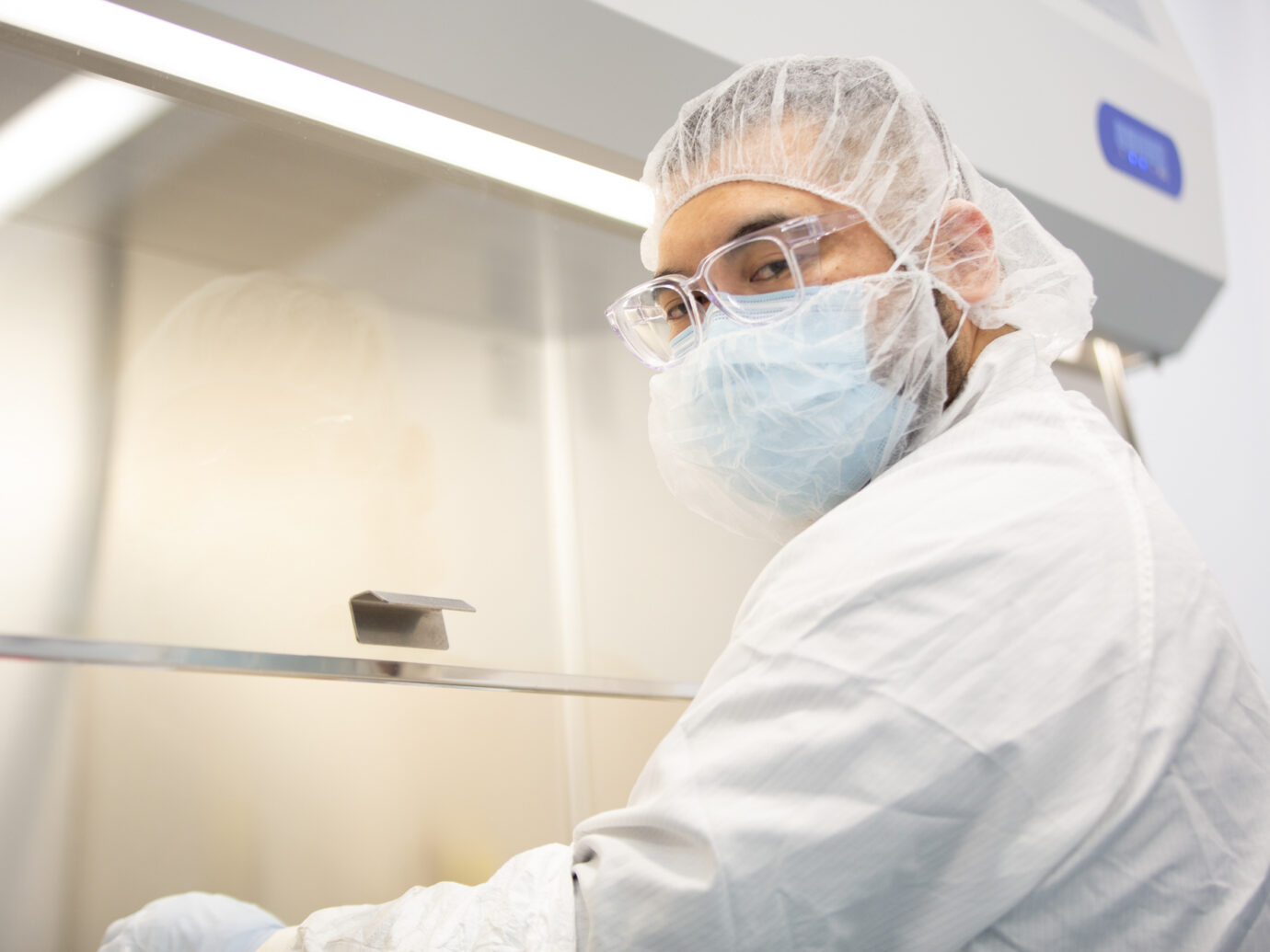
CAPABILITIES
Full Tech Transfer Capabilities
Upstream & downstream process transfer: Cell line, bioreactor parameters, purification, and scale adaptation.
Analytical method transfer: Validated transfer of potency, purity, and characterization methods.
Engineering & comparability studies: Data-driven confirmation of process performance across sites.
Regulatory support: IND amendments, BLA documentation, and post-approval filings.
Quality systems integration: Alignment with Avid’s FDA-inspected quality management systems.
WHY US
One Destination for
Long-Term Success
A successful tech transfer is more than a transition, it’s the foundation for what comes next.
At Avid, transferred programs move directly into clinical or commercial manufacturing within the same organization, supporting continuity of process, team, and quality systems as your program advances.
Why Us
Why Avid Bioservices
Any Source, Any Stage
Experience across CDMOs, in-house teams, CROs, and academic programs.
Structured, Transparent Process
Defined milestones and clear timelines from assessment throughCGMPmanufacturing.
Integrated Analytical Expertise
Seamless method transfer and comparability within the same organization.
Regulatory Depth
30+ years of experience supporting IND, BLA, and post-approval submissions.
End-to-End Capabilities
From transfer through clinical and commercial manufacturing.
US-Based, FDA-Inspected
Domestic operations with a strong regulatory track record.
Resources
Explore Resources
Start your tech transfer
Tell us where your process is today. We’ll help you move it forward with structure, clarity,
and confidence.
Learn More
Tech Transfer FAQs
Tech transfer timelines typically range from 6–18 months depending on program stage, process complexity, and analytical scope. Early-phase transfers may be completed more quickly, while late-phase or commercial transfers require additional comparability and regulatory work.
A comparability study evaluates material from the original site and the new site to confirm consistent product quality, using analytical methods to assess key attributes such as potency, purity, and structure.
Facility fit analysis compares equipment and operating conditions between sites to ensure the process can be successfully adapted to the new environment.
Typical documentation includes cell line history, process parameters, analytical methods, batch records, and quality data , supporting a complete understanding of the manufacturing process.
Yes. Avid supports transfers from research-stage environments, helping translate early processes into GMP-ready manufacturing.
Depending on program stage, this may include IND amendments or post-approval filings such as PAS or CBE-30, supported by comparability data and updated CMC documentation.