
INSIDE THE SCIENCE
Conversations with Avid Experts
The right production cell line is the foundation for yield, stability, and reliable biologics manufacturing.
Why Cell Line Development Is Critical to Biologic Manufacturing
Cell line development (CLD) is one of the earliest—and most consequential—steps in biologics manufacturing. It establishes the cellular foundation that will produce the therapeutic protein throughout development, clinical manufacturing, and ultimately commercial production.
A well-designed cell line enables strong productivity, consistent product quality, and efficient manufacturing. At the same time, early decisions in CLD influence how smoothly a program progresses through process development, scale-up, and regulatory milestones.
Because of this, CLD is not just a technical step—it is a strategic decision point that shapes the trajectory of an entire biologics program.
In this edition of Inside the Science, we spoke with Jeanette Doerr, Ph.D., Senior Director of Process Development, and Tatiana Mello, Director, Early-Phase Development, about how companies can approach CLD to support both immediate development goals and long-term manufacturing success.
Meet the Experts
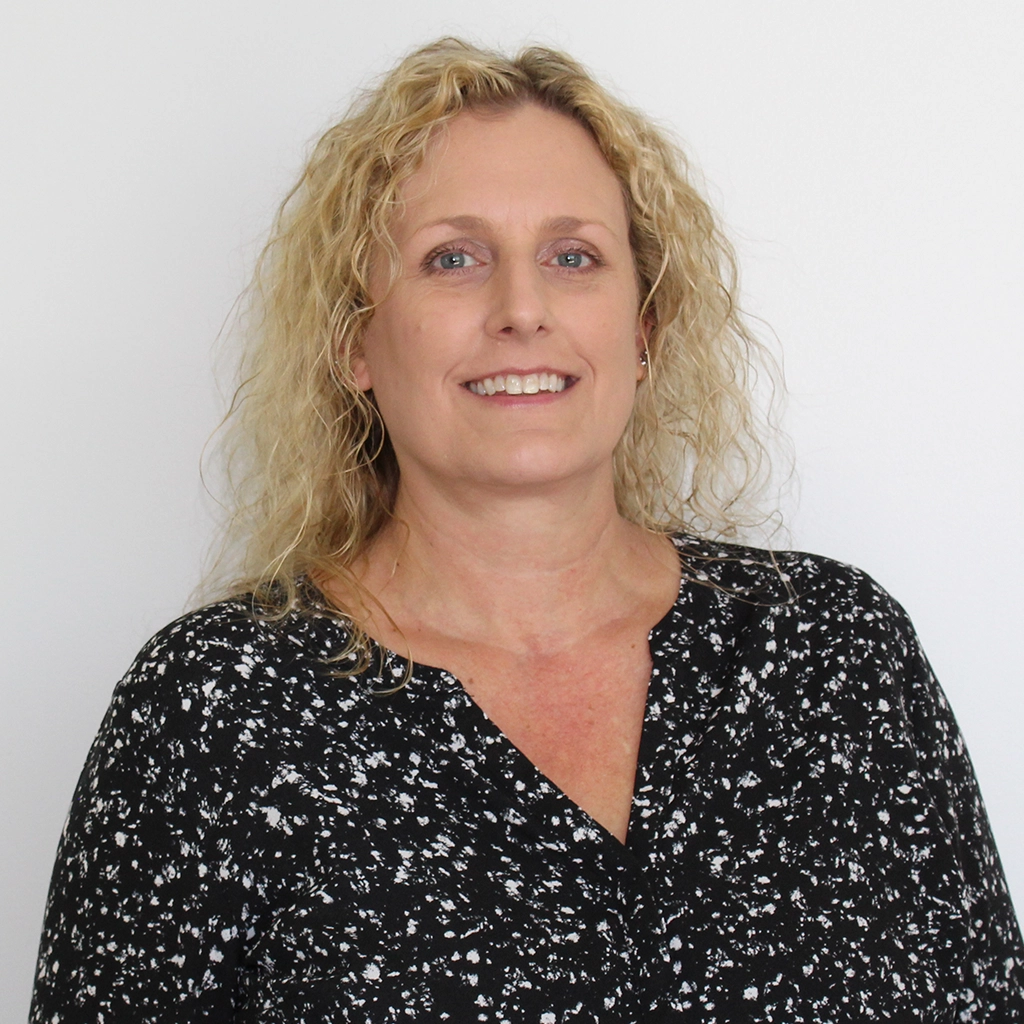
Jeanette Doerr, Ph.D.
Sr. Director of Process Development
Jeanette Doerr brings more than 20 years of experience in biologics development, spanning cell line development and process development. She began her career at Peregrine Pharmaceuticals and has been instrumental in building and scaling Avid’s process development organization into what it is today.
She holds a Ph.D. in Molecular Immunology from UCLA and a bachelor’s degree in Medical Microbiology from California State University, Long Beach. Her expertise spans upstream process development, technology transfer, and late-stage process characterization, with a focus on translating complex science into robust, scalable manufacturing processes.
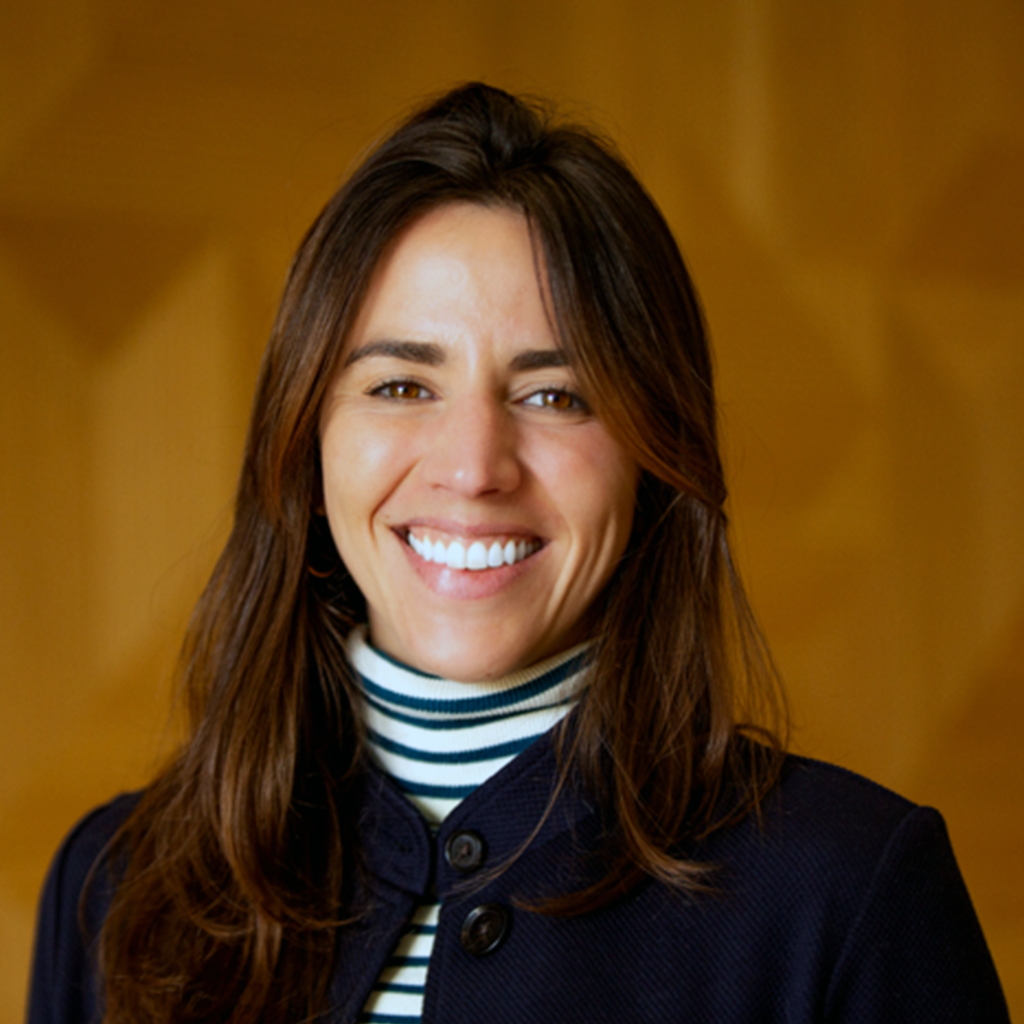
Tatiana Mello
Director, Early-Phase Development
Tatiana Mello directs early‑phase and cell line development activities at Avid Bioservices, where she focuses on generating high‑performing, stable production cell lines that support efficient progression into the clinic. Her work spans clone generation, screening, and selection, with an emphasis on aligning upstream performance with downstream manufacturability and long‑term process robustness.
She holds a Master of Engineering degree from Louisiana State University and brings a strong, practical perspective to early development strategy, helping sponsors establish reliable foundations for scalable biologics manufacturing.
Q&A
Q: Why is cell line development such a critical step in biologics manufacturing?
Jeanette Doerr:
Cell line development is foundational because it creates the living system that will produce the biologic drug substance throughout the life of the program. In that sense, it is not just an early technical step. It becomes the backbone of manufacturing from the earliest stages through clinical development and, ideally, into commercialization. A strong cell line has to do more than simply express a molecule. It needs to grow well, produce consistently, and deliver the right product quality from run to run. If that foundation is weak, the consequences can follow a program for years.
Q: What does “a high-quality cell line” actually mean in practice?
Tatiana Mello:
A high‑quality cell line is one that produces the molecule you want, at the level you expect, in the process you designed in a reliable and repeatable manner, without surprises.
Q: How should sponsors think about CLD from a broader development strategy perspective?
Jeanette Doerr:
Cell line development should be viewed as a strategic part of the overall development pathway. The best CLD approach is one that connects naturally into process development and manufacturing, with a platform that creates consistency across stages. That means choosing a system that is built not only for speed, but also for robustness, scalability, and reproducible product quality. When CLD is approached strategically, it helps teams move faster to the clinic while reducing downstream risk. It is one of the earliest opportunities to build quality, manufacturability, and long-term success into the program.
Q: What does the clone selection process look like at a technical level?
Tatiana Mello:
Clone selection is a multi‑step process that starts with the generation of single-cell derived clones and progresses through increasingly stringent screening stages. Early steps focus on outgrowth, viability, growth kinetics, and baseline productivity. As clones advance, the evaluation expands to include expression stability over passages, consistency across culture formats (plate vs shake flasks vs bioreactors), and performance under more process‑relevant conditions. Product quality attributes, clonality evidence, and basic safety considerations are incorporated as part of the clone ranking. The goal is to identify clones that not only perform well in early screens, but maintain stable, reproducible behavior as development conditions evolve.
Q: Where do sponsors most often go wrong in cell line development?
Jeanette Doerr:
A common challenge is moving too fast and thinking of CLD as a box to check. Sponsors can be tempted to prioritize the highest-titer clone without looking closely enough at the full performance profile. But the “best” clone is rarely defined by a single metric. A clone may express at a very high level and still grow poorly, behave inconsistently, or create product quality challenges later. The better choice is often a more balanced clone that delivers strong productivity, healthy growth, and consistent quality. Sponsors also run into trouble when they underestimate how much downstream difficulty can be traced back to shortcuts in CLD. If the wrong cell line is selected early, those issues do not disappear. They tend to carry through the entire life of the program.
Q: How does cell line development impact downstream processing?
Tatiana Mello:
The cell line has a direct impact on downstream processing because it determines what the purification process has to deal with. How a clone grows, when it loses viability, and how it metabolizes nutrients all affect the composition of the harvest like host cell protein levels, DNA, and aggregates. Those differences show up immediately in downstream, especially in capture performance, column fouling, and how hard the polishing steps have to work.
For example, I’ve seen two clones with very similar titers produce noticeably different protA behavior simply because one generated a higher and more problematic HCP load at harvest. Even though the molecule was the same, the downstream process was much less forgiving for that clone. That’s why clone selection isn’t just an upstream decision; it also sets up the baseline for how robust and scalable the downstream process can be.
Q: How have advances in CLD improved biologics development today?
Jeanette Doerr:
Modern CLD has evolved significantly, with advances in transfection and integration methods, a broad adoption of transposase-based approaches, improvements in media optimization, and more sophisticated cell line platforms designed to improve secretion, expression, and post-translational performance.
These improvements have made it easier to build stable, productive cell lines and to better support the demands of increasingly complex biologics. In practice, that means faster timelines, better performance, and more reliable development pathways.
Q: What advice would you give sponsors starting cell line development today?
Tatiana Mello:
Be thoughtful early on. It’s tempting to chase the highest titer right away, but that rarely tells you how the cell line will behave later. Spend the time upfront to build a solid cloning and screening strategy, generate clean data, and really understand stability and variability. The decisions you make in CLD show up months, or years, later, and it’s much easier to prevent problems at this stage than to fix them once you’re in PD or manufacturing.
Jeanette Doerr:
And from a broader perspective, start with a system that is proven, robust, and built on real experience. Sponsors should work with an approach that has demonstrated strength and reproducibility, and they should resist the temptation to cut corners in the name of speed. A little more time spent upfront selecting the right clone and confirming stability can save enormous time, cost, and risk later. Done well, CLD is an investment in the success of the entire program.
“Cell line development is not just a starting point—it defines the foundation for how efficiently a biologic therapy can be developed and manufactured.”
Cell line development plays a central role in shaping the trajectory of biologics programs. By combining thoughtful clone selection with a broader development strategy that considers long-term manufacturing needs, companies can establish a strong foundation for success.
As development approaches continue to evolve, integrating cell line development with process and manufacturing strategy is helping create more efficient, scalable, and reliable biologics production pathways.
Have a Question?
Have a question about biologics development or manufacturing?
Submit your question to the Avid scientific team and we may feature it in a future Inside the Science discussion.
Connect with an Avid Expert
If you’re evaluating biologics development or manufacturing strategies, our scientific and manufacturing teams are available to discuss your program.