
INSIDE THE SCIENCE
Conversations with Avid Experts
How integrated process development enables speed, scalability, and long-term manufacturing success
Why Process Development Matters More Than Ever
As biologics become more complex and development timelines accelerate, process development (PD) has taken on an increasingly critical role in shaping program success.
Process development defines how a therapeutic is produced and controlled. These decisions influence everything from yield and product quality to scalability, manufacturability, and regulatory readiness.
Over the past decade, advances in upstream productivity and molecule complexity have made it even more important to design processes that are not only efficient, but also robust and scalable.
At Avid Bioservices, process development has grown significantly over the past eight years—expanding in both capability and scale to support a broader range of biologics programs and manufacturing strategies.
In this edition of Inside the Science, we spoke with Jeanette Doerr, Ph.D. Senior Director of Process Development, about how PD has evolved, why it plays such a central role in biologics manufacturing, and how Avid approaches process development as a strategic capability.
Meet the Expert
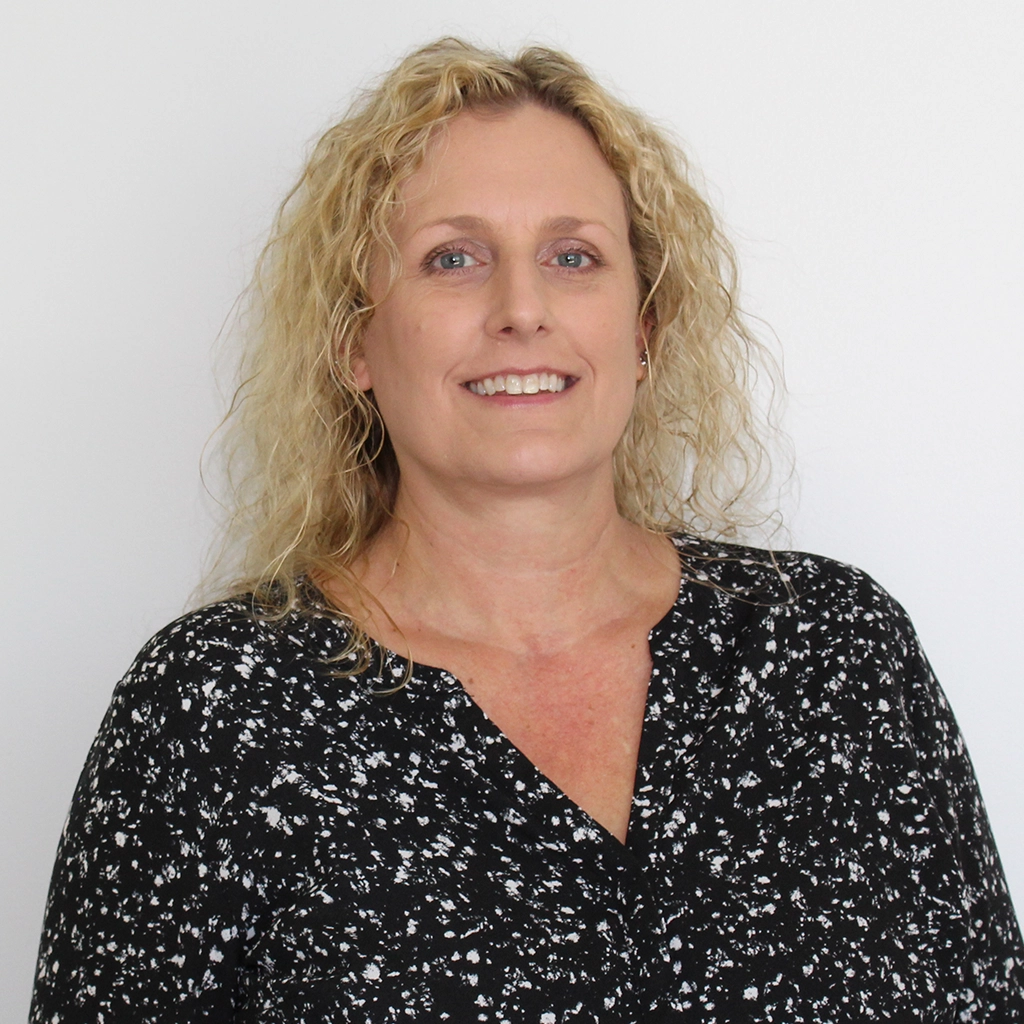
Jeanette Doerr, Ph.D.
Sr. Director of Process Development
Jeanette Doerr brings more than 20 years of experience in biologics development, spanning cell line development and process development. She began her career at Peregrine Pharmaceuticals and has been instrumental in building and scaling Avid’s process development organization into what it is today.
She holds a Ph.D. in Molecular Immunology from UCLA and a bachelor’s degree in Medical Microbiology from California State University, Long Beach. Her expertise spans upstream process development, technology transfer, and late-stage process characterization, with a focus on translating complex science into robust, scalable manufacturing processes.
Q&A
Q: Avid’s process development organization has grown significantly. What’s driven that growth?
Jeanette Doerr:
Process development at Avid has grown significantly—both in scale and in strategic importance.
What began as a relatively small team supporting internal programs has evolved into a robust, client-facing organization. That growth has been fueled by a combination of increased client demand, strategic investment in infrastructure, and the accumulation of experience and data.
Over the past several years, Avid has expanded its capabilities with additional bioreactors, high-throughput systems like the Ambr platform, and enhanced downstream technologies. At the same time, the team itself has grown, bringing deeper expertise and the ability to support a broader range of programs.
That growth has created a reinforcing cycle: more projects generate more data and experience, which in turn strengthens Avid’s ability to attract and execute on increasingly complex programs.
Q: Why is process development so critical to overall program success?
Jeanette Doerr:
Process development directly influences how quickly a program can move forward, how efficiently it can produce material, and how reliably it will perform at scale.
When process development is done well, it reduces downstream risk, minimizes surprises during scale-up, and creates a solid path to commercialization.
When it’s not, issues tend to surface later – during tech transfer, scale-up, or validation – where the cost of fixing them is significantly higher.
It’s an important strategic step for any program.
Q: What differentiates a strong process development organization?
Jeanette Doerr:
One of the most important differentiators is something not always associated with science: creativity.
Strong process development teams don’t just follow protocols—they problem-solve. They dig into data, challenge assumptions, and look for root causes rather than applying quick fixes.
At Avid, that shows up as a willingness to question, to investigate inconsistencies, and to persist until the underlying issue is fully understood. Rather than accepting variability, the team works to eliminate it.
There’s also a strong element of foresight. Experienced teams can often see issues coming before they happen—recognizing when a process is trending toward failure and making adjustments early to stay on track.
Combined with deep technical expertise in scale-up, scale-down, and statistical analysis, this ability to anticipate and adapt is what enables consistent success.
Q:How does Avid approach process development differently?
Jeanette Doerr:
Avid’s approach is built around integration and alignment.
Processes are designed with the end in mind—from the earliest stages through commercial manufacturing. Equipment, workflows, and platforms are aligned to minimize variability as programs move from development into GMP manufacturing.
This platform-based approach reduces the risk typically associated with tech transfer. When processes are developed and optimized within a consistent framework, there are fewer surprises as they scale.
At the same time, Avid combines that structure with flexibility. The team leverages high-throughput systems and design-of-experiment approaches to optimize processes efficiently, while still tailoring solutions to each program’s needs.
The result is a balance of standardization for reliability and flexibility for problem-solving.
Q: What should sponsors think about when selecting a CDMO partner for their PD work?
Jeanette Doerr:
Sponsors should try to understand how a potential partner thinks about process development and not simply whether they can run a process.
Key indicators of a strong partner include having a clear understanding of the inputs and outputs, experience with process characterization and risk assessment, a structured approach to scaling and transferring processes and the ability to balance flexibility with control.
Importantly, sponsors should look for teams that engage as scientific partners, not just execute instructions.
Q: How do you see process development continuing to evolve?
Jeanette Doerr:
Looking ahead, process development is becoming more structured, more data-driven, and more technology-enabled.
There is a growing shift toward templated approaches—leveraging standardized workflows and accumulated experience to move faster and reduce variability across programs.
At the same time, new technologies continue to expand what’s possible. High-throughput systems, process intensification strategies, and advanced analytical tools are enabling deeper insights and more efficient optimization.
The future of process development will be defined by the ability to combine these elements: standardization, innovation, and data-driven decision-making.
“Process development is where a molecule becomes a manufacturable product—and where long-term program success is often determined.”
Process development plays a central role in translating biologic innovation into manufacturable therapies. By aligning early development decisions with manufacturing realities, companies can reduce risk, improve efficiency, and create processes that scale successfully from the clinic to commercial production.
As Avid’s process development capabilities continue to grow, the focus remains on delivering integrated, scalable solutions that support both immediate development needs and long-term manufacturing success.
Have a Question?
Have a question about biologics development or manufacturing?
Submit your question to the Avid scientific team and we may feature it in a future Inside the Science discussion.
Connect with an Avid Expert
If you’re evaluating biologics development or manufacturing strategies, our scientific and manufacturing teams are available to discuss your program.